

February 26, 2024
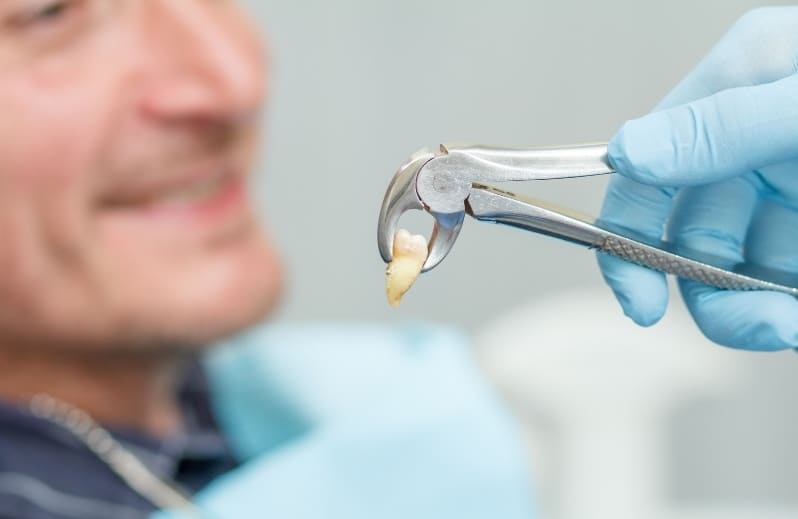
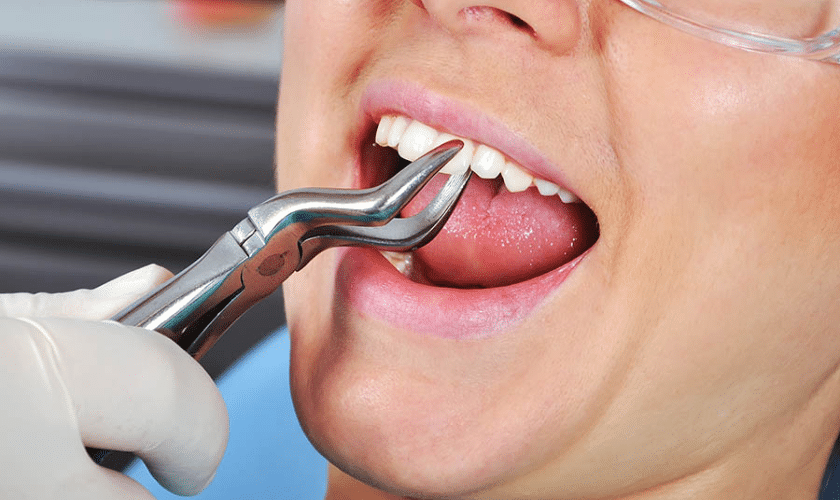
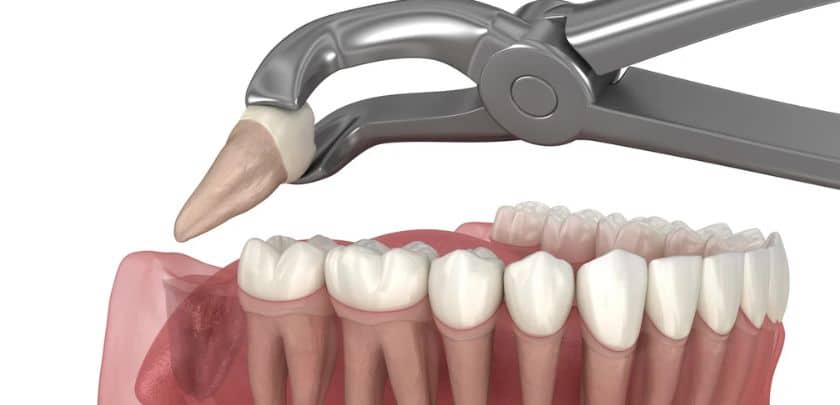
Tooth extraction is a common dental procedure performed to remove a damaged or decayed tooth. After the extraction, it’s crucial to follow post-operative care instructions to promote healing and prevent complications. One essential aspect of post-extraction care is maintaining a proper diet to ensure the healing process isn’t disrupted. Certain foods and drinks can hinder healing and even cause discomfort or complications. In this blog post, we’ll discuss what you should avoid eating or drinking after a tooth extraction to promote optimal healing.
- Hard and Crunchy Foods: After a tooth extraction, the socket where the tooth was removed needs time to heal. Consuming hard and crunchy foods can irritate the extraction site, cause discomfort, and even dislodge the blood clot that forms to aid in healing. Foods like nuts, popcorn, chips, and hard candies should be avoided during the initial healing period.
- Spicy Foods: Spicy foods can irritate the extraction site and increase discomfort. Additionally, spices such as chili peppers can cause a burning sensation, which can be particularly unpleasant after dental surgery. It’s best to steer clear of spicy foods until the extraction site has healed completely.
- Sticky and Chewy Foods: Foods that are sticky or chewy, such as caramel, taffy, and chewing gum, should be avoided after a tooth extraction. These foods can stick to the extraction site and disrupt the healing process. They can also increase the risk of developing a dry socket, a painful condition where the blood clot is dislodged or doesn’t form properly.
- Carbonated Drinks: Carbonated drinks like soda can introduce air bubbles into the mouth, which can dislodge the blood clot and delay healing. Additionally, the high sugar content in many sodas can promote bacterial growth and increase the risk of infection. It’s best to stick to water or other non-carbonated beverages during the healing process.
- Alcohol: Alcohol can hurt the healing process after a tooth extraction. It can thin the blood and increase the risk of bleeding at the extraction site. Alcohol also has dehydrating effects, which can hinder the body’s ability to heal. It’s best to avoid alcoholic beverages until the extraction site has healed completely.
- Hot Foods and Beverages: Hot foods and beverages can increase blood flow to the extraction site, which can lead to increased pain and swelling. Additionally, the heat can disrupt the blood clot and delay healing. It’s best to stick to lukewarm or cool foods and beverages during the initial healing period.
- Straws: Using a straw to drink liquids can create suction in the mouth, which can dislodge the blood clot and lead to complications such as dry sockets. It’s best to avoid using straws until the extraction site has healed completely.
In conclusion, proper nutrition plays a crucial role in the healing process after a tooth extraction. Avoiding hard, crunchy, spicy, sticky, and chewy foods, as well as carbonated drinks, alcohol, hot foods, and straws, can help promote optimal healing and reduce the risk of complications. Be sure to follow your dentist’s post-operative instructions and consult with them if you have any questions or concerns about your diet after a tooth extraction.