

March 29, 2024
Root canal treatment, also known as endodontic therapy, is a dental procedure used to treat infections and alleviate pain associated with deep decay or damage to the tooth pulp. While root canal therapy is highly effective in resolving toothaches caused by infection or inflammation, some patients may experience increased tooth pain in the days following the procedure. In this comprehensive guide, we’ll explore the reasons behind post-root canal pain, discuss common factors that contribute to discomfort, and provide tips for managing and alleviating tooth pain during the recovery period.
Understanding Root Canal Treatment: The Basics
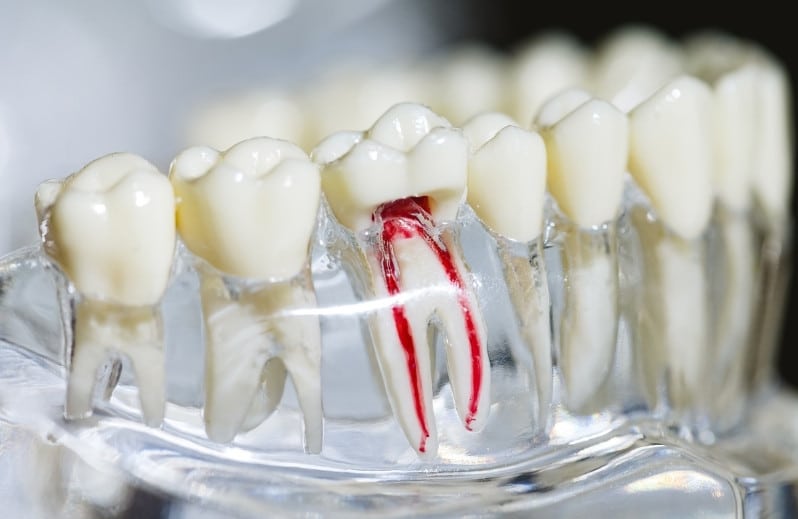
Before delving into the topic of post-root canal pain, it’s essential to understand the purpose and process of root canal treatment. A root canal is a procedure performed by a dentist or endodontist to remove infected or damaged pulp tissue from inside the tooth, clean and disinfect the root canals, and seal the tooth to prevent further infection.
The tooth pulp, located in the center of the tooth, contains nerves, blood vessels, and connective tissue. When the pulp becomes infected or inflamed due to deep decay, trauma, or repeated dental procedures, it can cause severe tooth pain, sensitivity, and swelling. Root canal treatment aims to eliminate the source of infection and preserve the structure and function of the tooth.
During the root canal procedure, the dentist or endodontist will:
- Numb the Tooth: Local anesthesia is administered to numb the affected tooth and surrounding tissues, ensuring a comfortable experience for the patient during the procedure.
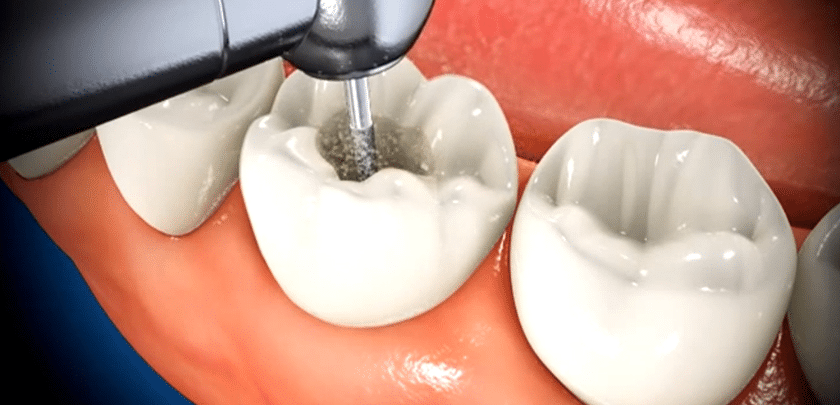
- Access the Pulp: The dentist creates an opening in the crown of the tooth to access the infected or inflamed pulp chamber and root canals.
- Remove the Infected Tissue: Specialized instruments are used to remove the infected or damaged pulp tissue from inside the tooth and root canals.
- Clean and Disinfect the Canals: The root canals are thoroughly cleaned and disinfected to remove bacteria and debris, reducing the risk of reinfection.
- Fill and Seal the Tooth: Once the root canals are cleaned, they are filled with a biocompatible material called gutta-percha and sealed to prevent bacteria from re-entering the tooth.
- Restore the Tooth: In most cases, a dental crown or filling is placed over the treated tooth to restore its strength, function, and appearance.
Reasons for Post-Root Canal Pain:
While root canal treatment is designed to alleviate tooth pain and resolve infection, some patients may experience increased discomfort in the days following the procedure. Several factors can contribute to post-root canal pain, including:
- Inflammation: The root canal procedure itself can cause inflammation and irritation of the surrounding tissues, leading to temporary discomfort and sensitivity.
- Residual Infection: In some cases, residual bacteria or infection may remain in the treated tooth or surrounding tissues, leading to persistent or recurrent symptoms.
- Tissue Irritation: The instruments used during the root canal procedure may inadvertently irritate the surrounding tissues, resulting in post-operative pain and discomfort.
- Pre-existing Conditions: Patients with pre-existing dental conditions such as cracked teeth, root fractures, or extensive decay may experience heightened sensitivity or discomfort following root canal treatment.
- High Bite: An improperly adjusted dental crown or filling can create a high bite, causing excessive pressure on the treated tooth and surrounding tissues, resulting in pain and discomfort.
- Sinus Pressure: In some cases, root canal treatment on upper teeth may cause sinus pressure or congestion, leading to discomfort in the surrounding areas.
Managing Tooth Pain After Root Canal Treatment:
While post-root canal pain is common and usually resolves on its own within a few days, there are several strategies you can use to manage discomfort and promote healing:
- Take Over-the-Counter Pain Medication: Non-steroidal anti-inflammatory drugs (NSAIDs) such as ibuprofen (Advil, Motrin) or acetaminophen (Tylenol) can help alleviate pain and reduce inflammation. Follow the dosing instructions carefully and consult with your dentist or pharmacist if you have any questions or concerns.
- Apply Ice Packs: Applying an ice pack or cold compress to the outside of the cheek can help numb the area, reduce swelling, and alleviate discomfort. Wrap the ice pack in a thin cloth and apply it to the affected area for 15-20 minutes at a time.
- Avoid Chewing on the Treated Tooth: To prevent further irritation or damage to the treated tooth, avoid chewing on hard or crunchy foods and stick to softer, easy-to-chew foods until the discomfort subsides.
- Practice Good Oral Hygiene: Continue to brush and floss your teeth regularly, taking care to avoid the treated tooth until it has fully healed. Use a soft-bristled toothbrush and avoid vigorous brushing to prevent irritation of the gums and surrounding tissues.
- Use Desensitizing Toothpaste: Desensitizing toothpaste containing ingredients such as potassium nitrate or fluoride can help reduce tooth sensitivity and discomfort. Use the toothpaste as directed by your dentist or pharmacist for optimal results.
- Rinse with Warm Saltwater: Gently rinsing your mouth with warm saltwater several times a day can help soothe irritated tissues, reduce inflammation, and promote healing. Mix one-half teaspoon of salt into a glass of warm water and swish the solution around your mouth for 30-60 seconds before spitting it out.
- Follow Up with Your Dentist: If your tooth pain persists or worsens despite home remedies, contact your dentist to schedule a follow-up appointment. Your dentist can evaluate the treated tooth, address any underlying issues, and recommend appropriate treatment to alleviate discomfort.
When to Seek Emergency Dental Care:
While post-root canal pain is common and usually resolves on its own within a few days, there are certain signs and symptoms that may indicate a need for emergency dental care. Contact your dentist or seek prompt medical attention if you experience:
- Severe or worsening pain that does not respond to over-the-counter pain medication
- Swelling or inflammation that spreads to the face, jaw, or neck
- Prolonged bleeding or discharge from the treated tooth or surrounding gums
- Fever, chills, or other signs of infection
- Difficulty breathing, swallowing, or opening the mouth
These symptoms may indicate complications such as infection, abscess, or other dental emergencies that require immediate attention from a dental professional.
Preventing Post-Root Canal Pain:
While some degree of discomfort and sensitivity is normal after root canal treatment, there are steps you can take to minimize the risk of post-operative pain and promote a smooth recovery:
- Follow Pre-Operative Instructions: Follow any pre-operative instructions provided by your dentist, such as taking prescribed medications or avoiding certain foods or beverages before the procedure.
- Communicate with Your Dentist: Be open and honest with your dentist about any concerns or questions you may have before, during, and after the root canal procedure. Your dentist can provide guidance, address your concerns, and recommend appropriate treatment to alleviate discomfort.
- Attend Follow-Up Appointments: Attend any follow-up appointments scheduled by your dentist to monitor your healing progress, evaluate the treated tooth, and address any issues or concerns that may arise.
- Practice Good Oral Hygiene: Maintain excellent oral hygiene habits, including brushing your teeth twice a day, flossing daily, and using an antimicrobial mouthwash as recommended by your dentist. Good oral hygiene can help prevent dental infections and promote healing after root canal treatment.
- Avoid Hard or Crunchy Foods: Avoid chewing on hard or crunchy foods immediately after root canal treatment to prevent irritation or damage to the treated tooth and surrounding tissues. Stick to softer, easy-to-chew foods until the discomfort subsides.
- Follow Post-Operative Instructions: Follow any post-operative instructions provided by your dentist, including taking prescribed medications, using ice packs or cold compresses, and avoiding certain activities or behaviors that may interfere with healing.
Navigating Post-Root Canal Pain with Confidence
In conclusion, post-root canal pain is a common and usually temporary side effect of root canal treatment. While some degree of discomfort and sensitivity is normal after the procedure, there are steps you can take to manage pain and promote healing effectively. By following the strategies outlined in this guide and seeking prompt dental care when needed, you can navigate post-root canal pain with confidence and ensure a smooth recovery process.
Remember to communicate openly with your dentist, practice good oral hygiene habits, and attend follow-up appointments as recommended to monitor your healing progress and address any concerns or issues that may arise. With proper care and attention, you can alleviate tooth pain, preserve your oral health, and enjoy a comfortable, functional smile for years to come.