


August 20, 2024
Imagine walking into a dental office where technology takes center stage, making your visit not only more comfortable but also more precise. Gone are the days of waiting for film X-rays to develop or worrying about unnecessary radiation exposure. Today’s dental care is all about accuracy, safety, and efficiency—thanks to digital X-rays. These advanced imaging tools allow dentists to see what’s happening beneath the surface with stunning clarity, enabling them to diagnose and treat issues early on. Curious about how this technology can make your dental visits better? Keep reading to discover how digital X-rays are revolutionizing the world of dentistry.
How Digital X-rays Revolutionize Dental Care
Dental technology has advanced rapidly, transforming traditional methods into more precise and safe procedures. Among the most significant innovations is the use of digital X-rays. These modern tools have become essential in enhancing diagnostic accuracy while prioritizing patient safety. From reducing radiation exposure to providing instant images, digital X-rays offer numerous benefits that improve both the patient experience and the quality of care. This blog delves into the ways digital X-rays are reshaping dentistry, making it easier to detect issues early, create detailed treatment plans, and ensure a more comfortable experience for patients.
The Evolution of X-rays in Dentistry
The journey from traditional film-based X-rays to digital imaging reflects the broader shift toward technology-driven healthcare. In the past, dentists relied on film X-rays, which required time-consuming development processes and exposed patients to higher radiation levels. While film X-rays provided valuable insights, they had limitations in clarity and convenience.
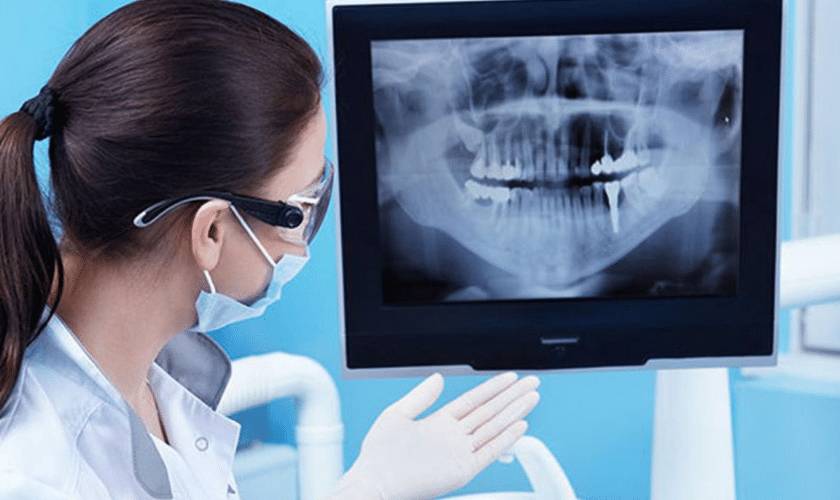
Digital X-rays have eliminated these drawbacks. They use electronic sensors instead of film, producing images that can be viewed almost instantly on a computer screen. This technological leap forward allows for a more efficient workflow, enabling dentists to diagnose problems faster and with greater accuracy.
Enhanced Diagnostic Accuracy
One of the most significant advantages of digital X-rays is their ability to produce high-quality images with exceptional clarity. This enhanced imaging capability enables dentists to identify issues that might be missed with traditional X-rays. For example, early-stage cavities, bone loss, and even the smallest cracks in teeth can be detected with precision.
The clarity of digital X-rays is particularly beneficial for complex procedures such as dental implants, root canals, and orthodontic treatments. Geneva dentists can closely examine the structure of teeth and surrounding bone, ensuring that they create accurate treatment plans tailored to the patient’s needs. With this level of detail, the likelihood of complications is reduced, leading to better outcomes.
Instant Results and Improved Communication
The speed at which digital X-rays deliver results is another game-changer in dental care. Traditional X-rays required time for development, often leaving patients waiting for answers. In contrast, digital X-rays provide immediate images, allowing dentists to discuss findings with patients right away.
This instant access to information fosters better communication between the dentist and the patient. Patients can see the images themselves, making it easier for them to understand their dental health and the reasoning behind recommended treatments. This transparency builds trust and empowers patients to make informed decisions about their care.
Lower Radiation Exposure for Patients
Safety is a top priority in dentistry, and digital X-rays have made significant strides in reducing patient exposure to radiation. Digital X-rays use up to 90% less radiation compared to traditional film X-rays, making them a safer option for patients who require frequent imaging. This reduction is particularly important for children, pregnant women, and individuals with health conditions that necessitate limiting radiation exposure.
In addition to lowering radiation levels, digital X-rays also minimize the need for retakes. Since the images are immediately visible on the computer screen, dentists can quickly assess whether they’ve captured the necessary information. If the image isn’t clear, adjustments can be made on the spot, avoiding the need for additional exposure.
Environmentally Friendly Option
Digital X-rays also offer environmental benefits, contributing to more sustainable dental practices. Traditional film X-rays required chemicals for development, which had to be disposed of carefully to avoid environmental harm. Additionally, the physical films themselves contributed to waste.
By eliminating the need for chemicals and film, digital X-rays reduce the dental practice’s ecological footprint. The images are stored electronically, which not only saves space but also makes it easier to share information with other healthcare providers when necessary. This move toward a more digital practice aligns with the growing trend of eco-conscious healthcare.
Improved Patient Comfort
Patient comfort is a crucial aspect of dental care, and digital X-rays contribute significantly to enhancing the overall experience. Traditional X-rays often required patients to bite down on uncomfortable film holders, which could be particularly challenging for those with sensitive teeth or a strong gag reflex.
Digital sensors, on the other hand, are more comfortable and less invasive. The quick image capture also means that patients spend less time in the chair, making the process smoother and less stressful. This improvement in comfort can be especially beneficial for patients with dental anxiety, helping to create a more positive experience.
Aiding in Preventive Care
Preventive care is a cornerstone of dentistry, and digital X-rays play a vital role in identifying potential issues before they become major problems. By providing detailed images, digital X-rays help dentists detect early signs of decay, gum disease, and other oral health issues that may not be visible during a routine examination.
With this early detection, preventive measures can be taken, reducing the need for more invasive treatments later on. For instance, spotting a small cavity early allows for a simple filling rather than a more complex procedure like a root canal. This proactive approach not only saves patients time and money but also preserves their natural teeth for longer.
Supporting Advanced Treatments
Digital X-rays are indispensable when it comes to planning and executing advanced dental treatments. For example, when placing dental implants, precise imaging is crucial to ensure that the implant is positioned correctly within the jawbone. Digital X-rays provide the detailed views needed to assess bone density and structure, ensuring a successful outcome.
Similarly, in orthodontics, digital X-rays help create accurate treatment plans for braces or clear aligners. Dentists can monitor the progress of tooth movement with precision, making adjustments as needed to achieve the desired results.
In endodontics, digital X-rays allow for better visualization of root canals, aiding in the treatment of complex cases. The detailed images help dentists navigate the intricate structures of the tooth, ensuring that all areas are thoroughly treated to prevent future complications.
Streamlining the Dental Workflow
Efficiency in a dental practice benefits both patients and staff, and digital X-rays play a crucial role in streamlining workflows. The ability to capture and view images instantly reduces the time spent on diagnostics, allowing dentists to focus more on patient care. This increased efficiency also means that appointments can be shorter, which is a significant advantage for busy patients.
Moreover, digital X-rays integrate seamlessly with other digital systems in the dental office. Patient records can be updated quickly, and images can be shared with specialists or insurance companies with ease. This interconnectedness reduces administrative tasks and ensures that patients receive timely care.
Reducing Diagnostic Errors
One of the key benefits of digital X-rays is the reduction in diagnostic errors. The high-quality images they produce leave little room for misinterpretation. Additionally, the ability to enhance images by adjusting brightness, contrast, and zoom levels further aids in accurate diagnosis.
Digital X-rays also allow for better record-keeping and tracking of changes in a patient’s oral health over time. Dentists can compare current images with past ones, making it easier to spot trends or subtle changes that may indicate a developing issue. This ongoing monitoring ensures that patients receive the best possible care based on accurate and up-to-date information.
The Future of Digital X-rays in Dentistry
As technology continues to evolve, so too will the capabilities of digital X-rays. Future advancements may include even higher-resolution images, further reductions in radiation exposure, and integration with artificial intelligence to aid in diagnostics. These innovations will continue to improve the accuracy and safety of dental care, benefiting both patients and practitioners.
In the near future, we may see digital X-rays playing a role in teledentistry, allowing dentists to remotely assess patients’ oral health and provide consultations without the need for an in-person visit. This development could make dental care more accessible to individuals in remote areas or those with limited mobility.
Embracing Digital X-rays for Better Oral Health
Digital X-rays have revolutionized the way dentists diagnose and treat oral health issues. With their ability to produce clear, detailed images quickly and safely, they have become an indispensable tool in modern dentistry. Patients can feel confident that their care is based on accurate information, leading to better outcomes and a more comfortable experience.
The adoption of digital X-rays also reflects a broader commitment to safety, efficiency, and sustainability in dental practices. By reducing radiation exposure, minimizing waste, and streamlining workflows, digital X-rays contribute to a higher standard of care.
As technology continues to advance, the role of digital X-rays in dentistry will only grow, providing even more benefits for patients and practitioners alike. Embracing these innovations is key to ensuring that dental care remains at the forefront of medical technology, offering the best possible outcomes for patients.
In Geneva, the use of digital X-rays enhances both accuracy and safety in dental practices, ensuring that patients receive the highest quality of care. This commitment to advanced technology reflects the dedication to improving oral health and overall patient well-being. For those seeking comprehensive dental care, Digital X-rays in Geneva provide a reliable and effective solution for maintaining a healthy smile.