

March 13, 2024
Full-mouth dental implants offer a transformative solution for individuals seeking to restore their smile, oral function, and confidence. Whether you’ve undergone implant-supported dentures, full-arch implants, or another full-mouth implant restoration, proper post-care is essential to ensure the longevity and success of your dental implants.
In this comprehensive guide, we’ll delve into the key aspects of post-care after full-mouth dental implants, including recovery tips, oral hygiene practices, dietary considerations, and long-term maintenance strategies. By following these guidelines, you can optimize healing, minimize complications, and enjoy the benefits of your new smile for years to come.
Understanding Full-Mouth Dental Implants: The Basics
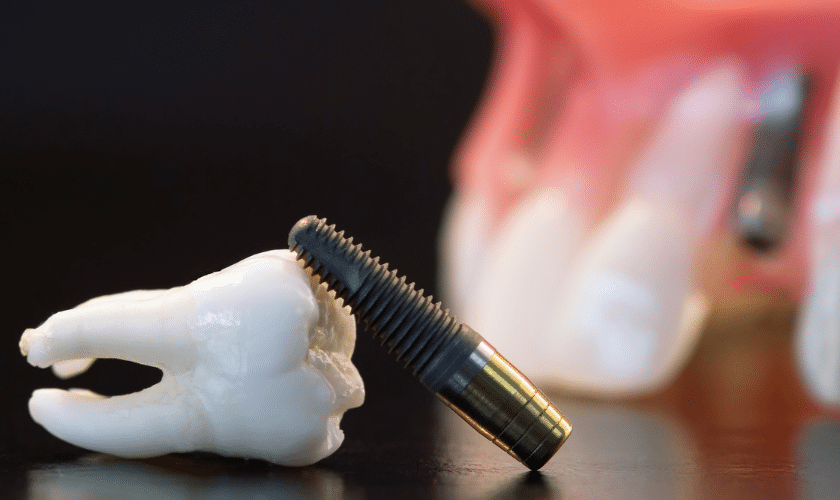
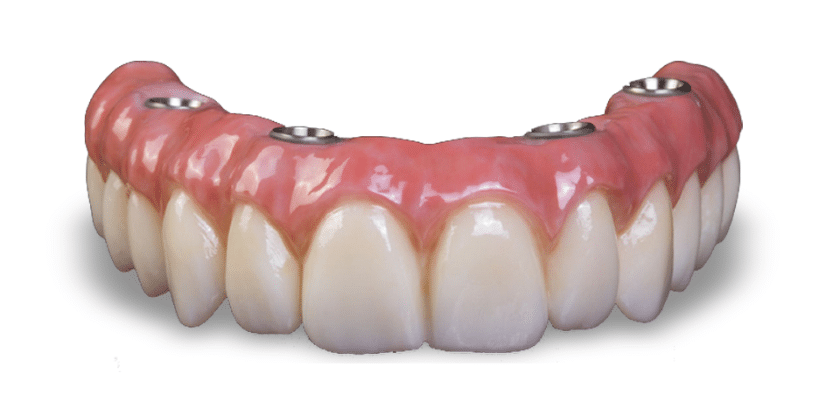
Full-mouth dental implants are a restorative dental treatment option designed to replace an entire arch of missing teeth. Unlike traditional dentures, which rest on the gums or rely on adhesive for stability, full-mouth dental implants are anchored securely into the jawbone, providing unparalleled stability, function, and aesthetics.
The process of obtaining full-mouth dental implants typically involves several stages, including:
- Initial Consultation: During the initial consultation, your dentist or oral surgeon will evaluate your oral health, discuss your treatment goals, and determine if you’re a candidate for full-mouth dental implants.
- Treatment Planning: A comprehensive treatment plan will be developed based on factors such as the number of missing teeth, the condition of the jawbone, and your overall oral health. This may include procedures such as tooth extractions, bone grafting, and implant placement.
- Implant Placement: Dental implants are surgically placed into the jawbone, where they integrate with the surrounding bone tissue through a process called osseointegration. This provides a stable foundation for the implant-supported restoration.
- Restoration: Once the implants have fully integrated with the jawbone, the final restoration, such as implant-supported dentures or a fixed bridge, will be attached to the implants, restoring function and aesthetics to the smile.
Post-Care Tips After Full-Mouth Dental Implants:
- Follow Post-Surgical Instructions: After the implant surgery, it’s essential to follow your dentist or oral surgeon’s post-surgical instructions carefully. This may include guidelines for managing pain, swelling, and bleeding, as well as instructions for oral hygiene and dietary restrictions.
- Manage Pain and Discomfort: Some degree of pain and discomfort is normal after implant surgery. Over-the-counter pain medications or prescription pain relievers prescribed by your dentist can help alleviate discomfort. Applying ice packs to the outside of your face can also help reduce swelling and pain.
- Practice Good Oral Hygiene: Maintaining excellent oral hygiene is crucial for preventing complications and promoting healing after dental implant surgery. Brush your teeth gently with a soft-bristled toothbrush and use an antimicrobial mouthwash as recommended by your dentist. Avoid brushing the surgical site directly until it has healed.
- Be Mindful of Diet: Stick to a soft or liquid diet for the first few days after implant surgery to avoid putting pressure on the surgical site. Opt for nutritious foods such as smoothies, soups, yogurt, and mashed potatoes. Avoid hard, crunchy, or sticky foods that can irritate the surgical site or dislodge implants.
- Avoid Smoking and Tobacco Use: Smoking and tobacco use can interfere with the healing process and increase the risk of implant failure. It’s essential to refrain from smoking or using tobacco products during the recovery period and beyond to ensure the long-term success of your dental implants.
- Attend Follow-Up Appointments: Schedule and attend any follow-up appointments with your dentist or oral surgeon as recommended. These appointments are essential for monitoring your healing progress, removing sutures if necessary, and addressing any concerns or complications that may arise.
- Protect Your Implants: Avoid habits or activities that could damage or dislodge your dental implants, such as chewing on hard objects, grinding or clenching your teeth, or using your teeth as tools to open packages. Wearing a nightguard if you grind your teeth can help protect your implants while you sleep.
- Maintain Regular Dental Check-Ups: Once your dental implants have healed, it’s important to maintain regular dental check-ups and cleanings every six months or as recommended by your dentist. Routine dental care is essential for monitoring the health of your implants, identifying any issues early, and ensuring long-term success.
Long-Term Maintenance of Full-Mouth Dental Implants:
- Commit to Excellent Oral Hygiene: Even after your dental implants have healed, it’s important to continue practicing excellent oral hygiene habits to prevent complications such as gum disease and implant failure. Brush your teeth twice a day, floss daily, and use an antimicrobial mouthwash to keep your mouth clean and healthy.
- Monitor Oral Health Changes: Pay attention to any changes in your oral health, such as bleeding gums, persistent bad breath, or discomfort around your dental implants. These could be signs of underlying issues that require prompt attention from your dentist.
- Schedule Routine Implant Maintenance: Your dentist may recommend periodic maintenance appointments to assess the health of your dental implants and perform professional cleanings. During these appointments, your dentist will evaluate the stability of your implants, check for signs of inflammation or infection, and address any concerns you may have.
- Protect Your Investment: Dental implants are a significant investment in your oral health and quality of life. Take steps to protect your investment by avoiding habits or behaviors that could compromise the longevity of your implants, such as smoking, poor oral hygiene, or neglecting routine dental care.
- Stay Informed: Stay informed about advancements in dental implant technology and research to ensure you’re taking advantage of the latest innovations and techniques in implant dentistry. Your dentist can provide guidance and recommendations based on your individual needs and preferences.
Ensuring the Long-Term Success of Your Dental Implants
Proper post-care and long-term maintenance are essential for ensuring the success and longevity of your full-mouth dental implants. By following the tips outlined in this guide, you can optimize healing, minimize complications, and enjoy the benefits of a healthy, functional smile for years to come.
Remember to follow your dentist’s post-surgical instructions carefully, practice excellent oral hygiene habits, and attend regular dental check-ups and cleanings to monitor the health of your dental implants and address any issues early. With proper care and attention, your dental implants can provide a stable, long-lasting solution for missing teeth and restore confidence in your smile.