

February 2, 2024
Are you experiencing major pain after getting dental veneers? Don’t worry, you’re not alone. While dental veneers are a popular and effective cosmetic dentistry treatment, it’s not uncommon for some patients to experience discomfort or sensitivity afterward. But fear not – there are steps you can take to manage and relieve the pain, ensuring that your beautiful new smile remains a source of joy rather than discomfort. In this blog post, we will explore the common causes of pain after getting dental veneers, provide tips on how to alleviate it at home, discuss when it’s necessary to seek professional help, and offer advice on preventing painful complications in the first place. So let’s dive in and discover how to keep your smile shining bright without any unnecessary pain!
Understanding Dental Veneers and their Purpose
Dental veneers are thin, custom-made shells that are bonded to the front surface of your teeth. They are primarily used for cosmetic purposes and can dramatically improve the appearance of your smile. Veneers can correct a range of issues, including stained or discolored teeth, chipped or cracked teeth, gaps between teeth, and even slightly misaligned teeth.
The purpose of dental veneers is to enhance the aesthetics of your smile by providing a natural-looking solution to various dental imperfections. The shells are typically made from porcelain or composite resin materials, both known for their durability and ability to mimic the appearance of natural tooth enamel.
Getting dental veneers involves multiple steps. First, your dentist will examine your oral health and determine if you are a suitable candidate for this treatment. Then, they will remove a small amount of enamel from the front surface of your teeth to create space for the veneers.
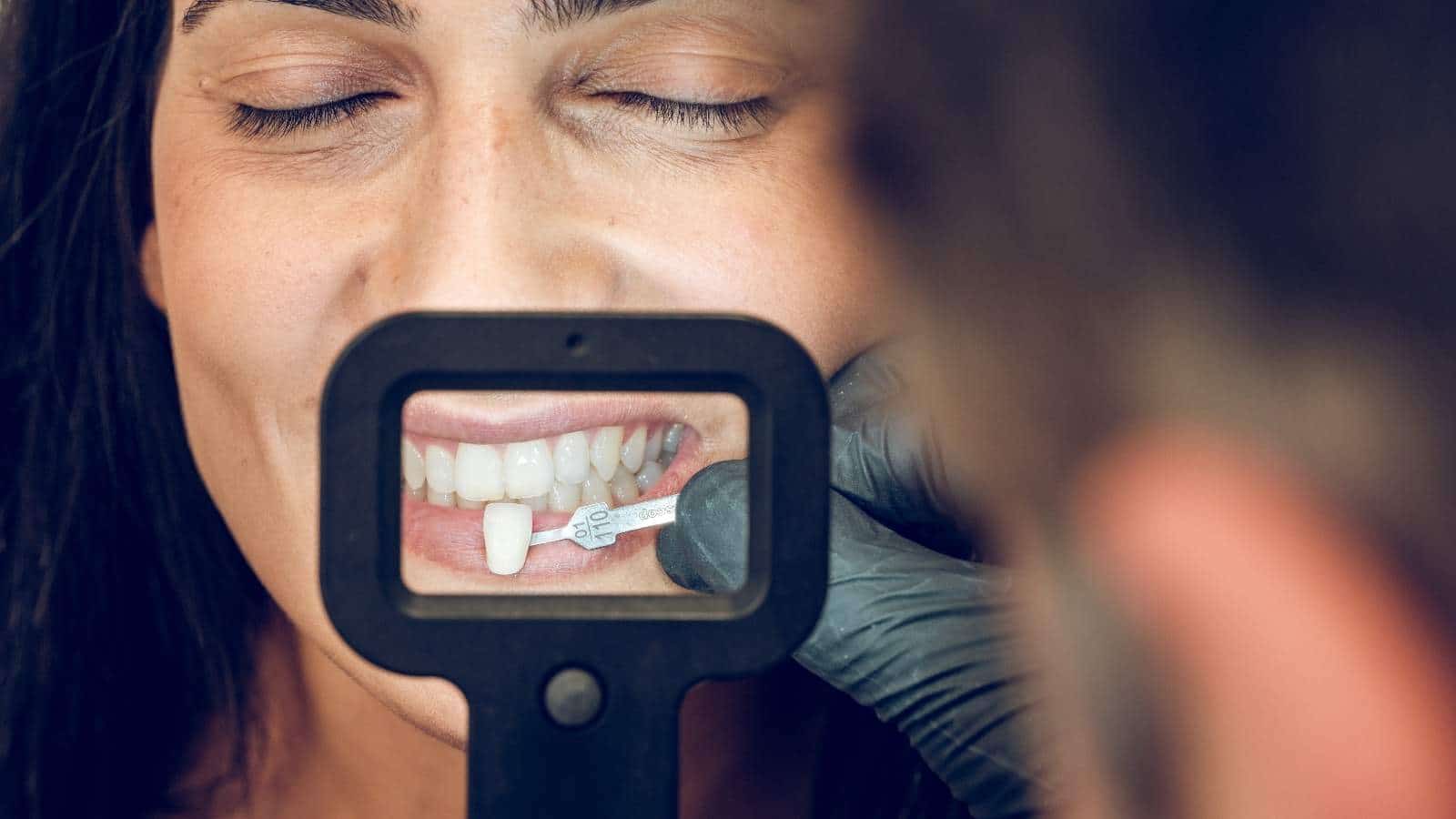
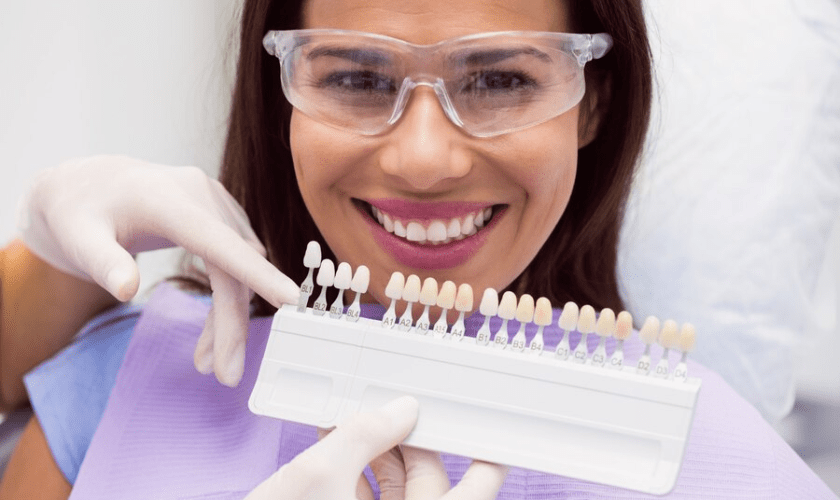
Next comes the impression-taking process where an accurate mold is made to ensure proper fitting and alignment with your natural teeth. This mold is then sent to a dental laboratory where skilled technicians fabricate customized veneers specifically tailored to match your desired shape, size, color, and overall aesthetic goals.
Once ready, these individualized veneers will be carefully bonded onto each tooth using special adhesive cement under controlled conditions in order to achieve optimal strength and longevity.
With their ability to transform smiles by covering up imperfections while still looking incredibly natural, it’s no wonder why dental veneers have become such a popular choice among individuals seeking cosmetic enhancements for their teeth. Whether you’re looking forward to correcting minor flaws or completely revamping your smile altogether – dental veneers may just be the perfect solution!
Common Causes of Pain After Getting Dental Veneers
1. Tooth Sensitivity: It is normal to experience some sensitivity after getting dental veneers. The process involves removing a thin layer of enamel, which can expose the dentin and result in temporary tooth sensitivity.
2. Bite Misalignment: If your veneers are not properly aligned with your natural bite, it can cause discomfort and pain when you chew or bite down. This misalignment puts extra pressure on certain teeth, leading to soreness and even jaw pain.
3. Poorly Bonded Veneers: In some cases, the adhesive used to bond the veneer to your tooth may not have been applied correctly or may not have set properly. This can cause the veneer to shift or come loose, resulting in pain and discomfort.
4. Grinding or Clenching Teeth: Individuals who grind or clench their teeth (bruxism) may experience pain after getting dental veneers. The excessive force exerted on the veneered teeth can lead to soreness and even damage over time.
5. Allergic Reactions: Although rare, some individuals may develop an allergic reaction to the materials used in dental veneers such as resin composite or porcelain. This allergic response can manifest as oral discomfort and inflammation.
It’s important to remember that experiencing mild discomfort immediately after getting dental veneers is normal; however, if the pain persists beyond a few days or becomes severe, it’s crucial to seek professional help from your dentist for proper diagnosis and treatment options.
How to Manage and Relieve Pain After Dental Veneers
Managing and relieving pain after getting dental veneers is essential for a smooth recovery process. Here are some tips to help you alleviate discomfort and ensure a positive experience.
1. Take over-the-counter pain relief: Non-prescription pain medications like ibuprofen can help reduce swelling and relieve any lingering discomfort after the procedure. Always follow the recommended dosage instructions provided by your dentist or pharmacist.
2. Apply cold compresses: To minimize swelling and numb the area, gently apply an ice pack or cold compress to your face near the treated teeth for 10-15 minutes at a time. This can provide temporary relief from pain and inflammation.
3. Stick to soft foods: For the first few days following your veneer placement, opt for softer foods that require less biting force, such as mashed potatoes, yogurt, soups, or smoothies. Avoid hard or chewy foods that could potentially aggravate sensitivity or cause further discomfort.
4. Maintain good oral hygiene: Brushing with a soft-bristled toothbrush and using non-alcoholic mouthwash will keep your teeth clean without causing unnecessary irritation to the gums surrounding the veneers.
5. Avoid hot beverages and extreme temperatures: Consuming very hot or cold drinks shortly after getting veneers may trigger sensitivity in the treated teeth. Opt for room temperature beverages until any sensitivity subsides.
Remember that mild soreness is normal in the days following dental veneer placement but should gradually improve over time as your mouth adjusts to them. However, if you experience severe pain that does not subside within a few days or notice any signs of infection (such as persistent swelling), it’s important to seek professional help immediately.
When to Seek Professional Help
If you’re experiencing major pain after getting dental veneers, it’s important to know when it’s time to seek professional help. While some discomfort is normal in the days following the procedure, persistent and intense pain could be a sign of an underlying issue that needs attention.
One common cause of post-veneer pain is tooth sensitivity. This can occur if the veneer placement has exposed the dentin layer of your teeth, which contains nerve endings. If your sensitivity doesn’t improve or worsens over time, it may be necessary to consult with your dentist.
Another reason to seek professional help is if you notice any signs of infection or complications. Symptoms such as swelling, redness, discharge around the gum line, or a foul taste in your mouth should not be ignored. These could indicate an infection that requires immediate treatment.
Additionally, if your bite feels off or uneven after getting veneers and it’s causing significant discomfort or difficulty in chewing and speaking properly, it’s crucial to schedule an appointment with your dentist as soon as possible. They can assess the situation and make any necessary adjustments to ensure proper alignment.
Remember, every individual case is unique, so trust your instincts and reach out for professional guidance whenever you feel uncertain about the level of pain you’re experiencing after getting dental veneers.
Tips for Preventing Painful Complications After Getting Dental Veneers
1. Choose a skilled and experienced dentist: The first step in preventing painful complications after getting dental veneers is to select a reputable dentist who specializes in cosmetic dentistry. Look for someone with experience in placing veneers, as they will have the expertise to ensure proper fit and alignment.
2. Practice good oral hygiene: Maintaining excellent oral hygiene is crucial to prevent any potential issues with your dental veneers. Brush your teeth at least twice a day, floss daily, and use an antibacterial mouthwash regularly. This will help keep your gums healthy and free from infection.
3. Avoid excessive force or pressure on your veneers: While dental veneers are durable, they can still be damaged by excessive force or pressure. Avoid biting into hard objects like ice or using your teeth as tools to open packages. It’s also essential to avoid habits such as nail-biting or chewing on pens that can put unnecessary stress on the veneers.
4. Wear a nightguard if you grind or clench your teeth: If you have a habit of grinding or clenching your teeth (bruxism), it’s important to protect your dental veneers from damage during sleep by wearing a custom-made nightguard recommended by your dentist.
5. Attend regular check-ups with your dentist: Regular dental check-ups are vital for maintaining the health of both natural teeth and dental restorations like veneers. Your dentist can identify any potential problems early on and provide necessary treatment before they escalate into more significant issues.
By following these tips, you can minimize the risk of experiencing painful complications after getting dental veneers while enjoying their beautiful aesthetic benefits for years to come!
The Importance of Proper Care and Maintenance for Long-lasting Results
- Proper care and maintenance are crucial when it comes to ensuring the long-lasting results of your dental veneers. These thin shells of porcelain or composite material can dramatically transform your smile, but they require regular attention to maintain their beauty and functionality.
- One important aspect of care is maintaining good oral hygiene practices. Brushing your teeth twice a day with a soft-bristled toothbrush and using fluoride toothpaste will help keep both your natural teeth and veneers clean. Flossing daily is also essential for removing plaque buildup between the teeth and along the gumline.
- Avoiding certain habits can also help prolong the life of your veneers. Chewing on hard objects like ice or pens should be avoided, as this can cause damage to both natural teeth and veneers alike. Additionally, refraining from biting into extremely hard foods such as nuts or candy apples can prevent unnecessary stress on the veneers.
- Regular dental check-ups are vital for monitoring the condition of your dental veneers. Your dentist will examine them during these visits to ensure they are functioning properly and look for any signs of wear or damage that may need attention.
- Protecting against potential damage by wearing a mouthguard during high-impact sports or activities is highly recommended. This simple precautionary measure can safeguard not only your natural teeth but also help preserve the integrity of your dental veneers.
While dental veneers can greatly enhance the appearance of your smile, it’s important to be aware that there may be some discomfort or pain associated with the procedure. Understanding the potential causes of pain after getting dental veneers and taking proactive steps to manage and relieve it is crucial for a positive experience.
If you experience major pain after getting dental veneers, don’t panic. It’s not uncommon, and there are several measures you can take to alleviate your discomfort. From over-the-counter pain relievers to applying cold compresses and maintaining good oral hygiene practices, these tips can help ease any post-veneer pain you may encounter.
However, if your pain persists or worsens over time despite these efforts or if you notice any other concerning symptoms such as swelling or infection, it’s essential to seek professional help from your dentist immediately. They will be able to determine if there are any underlying issues causing your pain and provide appropriate treatment.
To prevent painful complications after getting dental veneers in the future, it’s important to practice good preventive care. This includes avoiding habits like nail-biting or teeth grinding that could damage the veneers, maintaining regular dental check-ups for proper monitoring of their condition, and following all post-treatment instructions provided by your dentist.
Remember that proper care and maintenance play a significant role in ensuring long-lasting results with your dental veneers. By practicing excellent oral hygiene habits like brushing twice daily with a soft-bristle toothbrush and flossing regularly along with routine visits to your dentist for cleanings and examinations, you can extend the lifespan of your beautiful new smile.
While experiencing some degree of discomfort after getting dental veneers is normal initially due to factors such as temporary sensitivity or adjustment period required by gum tissues around them; persistent severe amounts should never be ignored; seeking professional advice right away ensures timely intervention against serious problems down line!