


February 26, 2024
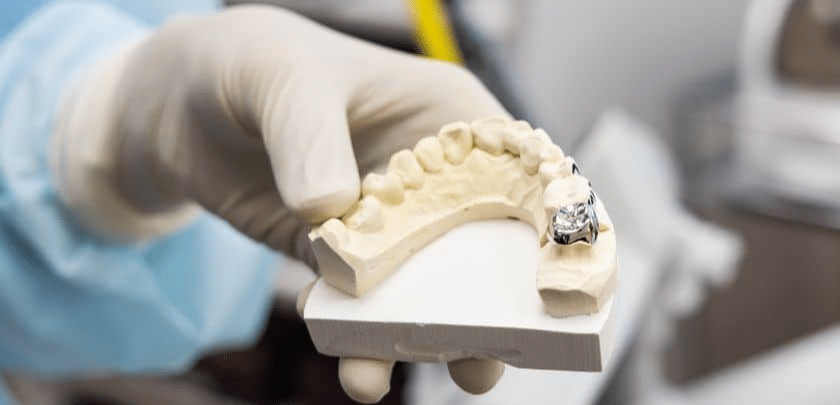
A dental crown, often referred to as a cap, is a common dental restoration used to cover a damaged or decayed tooth. While crowns are durable, they are not indestructible. Sometimes, despite our best efforts, a dental crown can break or become damaged. When this happens, it’s important to know what steps to take to minimize discomfort and protect your oral health. In this guide, we’ll explore what to do if your dental crown breaks and how to handle the situation effectively.
- Remain Calm: The first thing to do if you discover that your dental crown has broken is to remain calm. While it can be concerning, especially if you’re experiencing pain or discomfort, panicking will not help the situation. Take a deep breath and try to stay composed.
- Assess the Damage: Carefully examine the broken crown and assess the extent of the damage. If the crown has completely come off, inspect the underlying tooth to ensure there is no additional damage or decay. If the tooth is intact and there is no pain or sensitivity, you may not require immediate treatment.
- Contact Your Dentist: Once you’ve assessed the situation, contact your dentist as soon as possible to schedule an appointment. Inform them about the broken crown and any accompanying symptoms such as pain or sensitivity. Your dentist will advise you on the next steps and schedule a convenient time for you to come in for evaluation and treatment.
- Save the Crown: If the crown has come off completely and is intact, try to save it. Place it in a clean container and bring it with you to your dental appointment. In some cases, the dentist may be able to reattach the crown if it is undamaged. However, if the crown is broken or damaged beyond repair, a new crown may need to be fabricated.
- Manage Discomfort: If you’re experiencing discomfort or sensitivity due to the broken crown, there are several measures you can take to manage it until you see your dentist:
- Over-the-counter pain relievers such as ibuprofen or acetaminophen can help alleviate pain.
- Avoid chewing on the affected side to prevent further irritation.
- Rinse your mouth with salt water to help reduce inflammation and disinfect the area.
- Protect the Tooth: While waiting for your dental appointment, it’s essential to protect the underlying tooth to prevent further damage or infection. You can do this by:
- Avoiding hard or sticky foods that could cause further damage.
- Maintaining good oral hygiene by brushing and flossing gently around the affected tooth.
- Use temporary dental cement or dental adhesive to reattach the crown temporarily. However, it’s crucial to follow your dentist’s instructions carefully and avoid using over-the-counter adhesives for an extended period.
- Follow Your Dentist’s Recommendations: During your dental appointment, your dentist will assess the damage and recommend the most appropriate course of action. Depending on the extent of the damage, they may:
- Repair the existing crown if it’s salvageable.
- Replace the crown with a new one if it’s damaged beyond repair.
- Assess the underlying tooth for any additional issues such as decay or infection and provide necessary treatment.
- Practice Preventive Measures: Once your dental crown has been repaired or replaced, it’s essential to take steps to prevent future issues:
- Practice good oral hygiene by brushing and flossing regularly.
- Avoid chewing on hard objects such as ice or pen caps, which can damage dental restorations.
- Schedule regular dental check-ups and cleanings to monitor the health of your teeth and existing dental restorations.
Experiencing a broken dental crown can be unsettling, but knowing how to handle the situation can help alleviate stress and minimize discomfort. By remaining calm, contacting your dentist promptly, and following their recommendations, you can ensure that your oral health is restored effectively. Remember to practice preventive measures to safeguard against future dental issues and maintain a healthy smile for years to come.